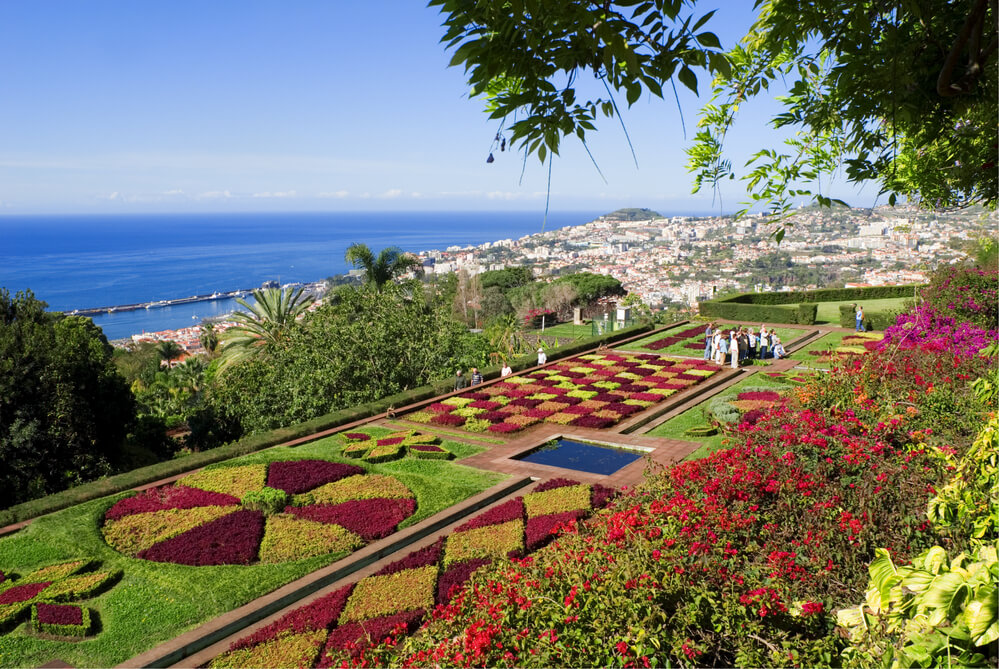
Perched on the hills above Funchal, the Madeira Botanical Garden (Jardim Botânico da Madeira) is one of the island’s top attractions, offering breathtaking views, an impressive collection of exotic plants, and a peaceful retreat from the bustling city. Whether you’re a nature lover, a photography enthusiast, or just looking for a relaxing stroll in a lush environment, this garden is a must-visit spot in Madeira.
Why Visit the Madeira Botanical Garden?
🌿 Over 2,000 Plant Species – The garden is home to a vast collection of exotic plants from all over the world, including cacti, orchids, and native Madeiran flora.
🏞️ Panoramic Views – Thanks to its elevated location, you can enjoy spectacular views over Funchal and the Atlantic Ocean.
🦜 Aviary with Exotic Birds – A section of the garden houses rare and colorful birds, making it an interesting stop for wildlife lovers.
🌸 Beautifully Landscaped Gardens – The garden is designed with intricate patterns of flowers, creating stunning visuals, especially in spring.
What to See in the Madeira Botanical Garden?
The garden is divided into different sections, each with its own unique collection of plants and landscapes:
🌱 Madeiran Flora – A collection of indigenous plants that thrive in the island’s subtropical climate.
🌎 Exotic Plants from Around the World – You’ll find vegetation from Africa, South America, and Asia, including palm trees, succulents, and tropical flowers.
🌵 Cactus Garden – A paradise for succulent lovers, featuring impressive varieties of cacti from dry climates.
🌺 Orchid Garden – A stunning display of colorful orchids, which Madeira is famous for.
🐦 Parrot and Exotic Bird Park – A small aviary housing parrots and other tropical birds.
💡 Tip: Don’t miss the famous patterned flower beds, one of the most photographed spots in the garden!
How to Get to the Madeira Botanical Garden?
🚡 By Cable Car:
- The easiest and most scenic way to reach the garden is by taking the Botanical Garden Cable Car from Monte.
- The ride offers stunning aerial views over Funchal and the lush valleys below.
🚗 By Car or Taxi:
- The garden is about 10 minutes from Funchal city center, with parking available nearby.
- Taxis and Bolt rides are affordable options if you prefer a direct ride.
🚌 By Bus:
- Local buses (such as bus 31 from Funchal) also serve the area, making it an accessible trip for budget travelers.
Best Time to Visit
🌸 Spring (March – May): The best time to see flowers in full bloom.
☀️ Summer (June – September): Warm, sunny weather, perfect for exploring.
🍂 Autumn & Winter (October – February): Fewer tourists, but some plants may not be in full bloom.
💡 Tip: Visit in the morning or late afternoon for cooler temperatures and softer light for photography.
Final Thoughts
The Madeira Botanical Garden is a fantastic way to experience the island’s rich biodiversity and enjoy spectacular views over Funchal. Whether you’re a plant enthusiast or just looking for a peaceful break from sightseeing, this garden is a perfect spot to immerse yourself in nature.
If you’re planning a trip to Madeira, make sure to add this hidden gem to your itinerary!